
For every weird gadget that becomes a daily essential, there are dozens that end up in a junk drawer. This guide covers common categories that often disappoint, so you can spend on things that last. Individual products vary; these are patterns, not verdicts on specific brands.
Single-task kitchen gadgets
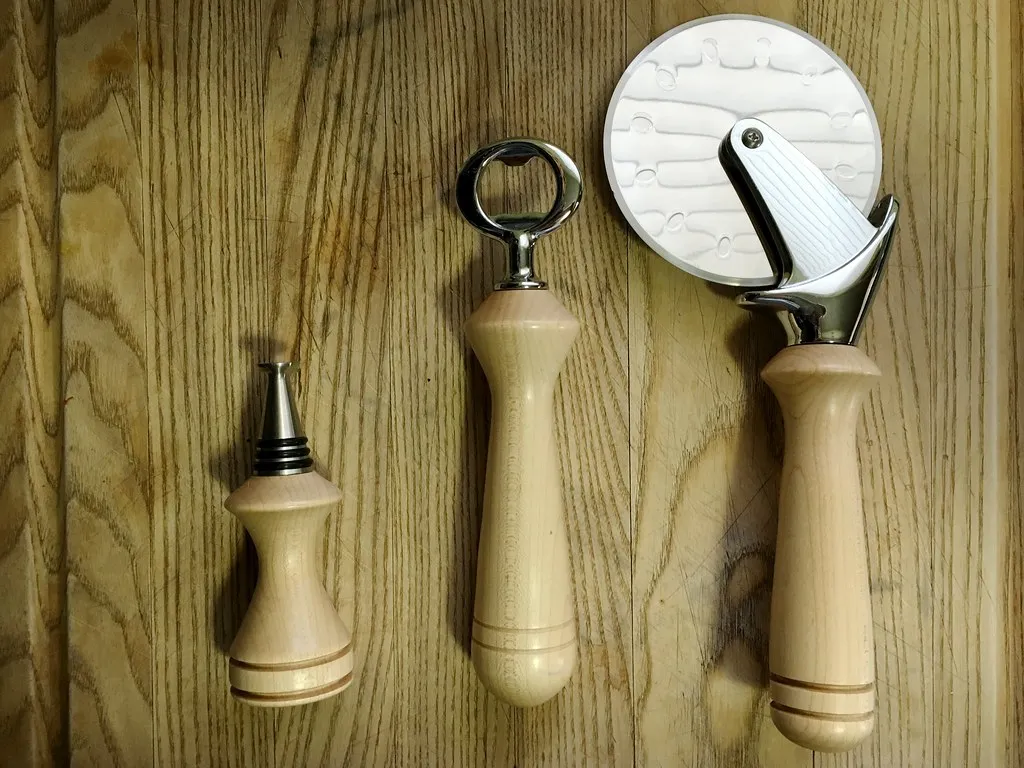
Banana slicers, egg cubers, and avocado tools often do one job a knife does well. If you will not use it weekly, skip it. See kitchen gadgets worth it.
Cheap “smart” devices with weak apps
Smart gadgets depend on their apps. Cheap devices from unknown brands may stop getting updates or require accounts you do not want. Check reviews for app quality and how long the company has supported its products.
Gadgets with vague health claims
Products claiming to detox, cure, or boost energy without evidence deserve skepticism. Look for specific, measurable claims and real research.
Novelty USB gadgets
USB fans, warmers, and lights are often low quality and short-lived.
Subscriptions disguised as gadgets
Some devices need ongoing subscriptions to work fully. Factor that into the price.
Duplicates of your phone
Standalone gadgets that do what your phone already does, such as basic voice recorders, cheap cameras, or alarm clocks, may be redundant.
What to buy instead
- Fewer, better tools
- Gadgets that solve a daily problem
- Products with good warranties
- Reusable items that replace disposables
See how to spot gimmicky gadgets.
The one-month test
Before buying a gadget, imagine it one month from now. Will it be on your counter or desk, in daily use? Or in a drawer? If you are honest and the answer is the drawer, skip it. For gadgets you are unsure about, buy from stores with generous return windows, and actually return items that do not earn their keep.
Look at total cost
Some gadgets look cheap but rely on proprietary pods, cartridges, filters, or subscriptions. Add up a year of those costs before buying. A more expensive gadget without ongoing costs can be cheaper over time.
Think about the end of life
Gadgets with built-in batteries that cannot be replaced may become e-waste when the battery wears out. Products with replaceable parts, solid warranties, and repair support last longer. When you do retire electronics, recycle them through proper e-waste programs.
Better uses of the money
Often the best upgrade is not a new gadget but a better version of a basic tool: a sharp knife instead of five slicers, a good pair of headphones instead of three cheap ones, or a quality pillow instead of a sleep gadget.
Questions to ask before you buy
- What problem does this solve, and how do I solve it now?
- How often will I use it?
- Where will I store it?
- What does it cost over a year, including refills and subscriptions?
- Is there a cheaper, simpler alternative?
- Does it have a good warranty and support?
- Would I still want it if it were not on sale?
If the answers point to occasional use, extra costs, and simple alternatives, skip it.
Mistakes to avoid
- Buying because of a countdown timer. Urgency tactics push impulse purchases.
- Assuming expensive means quality. Check reviews and specs.
- Ignoring return policies. Gadgets can disappoint; easy returns reduce the risk.
FAQ
Are smart home gadgets worth it?
Some are genuinely useful, like smart plugs for lamps or video doorbells. Check privacy settings, app quality, and whether devices work without a subscription.
How do I avoid gadget clutter?
Follow a “one in, one out” rule and donate items you have not used in a year.